Surya pilgrimage · सूर्य तीर्थTemples shaped by light, time and landscape
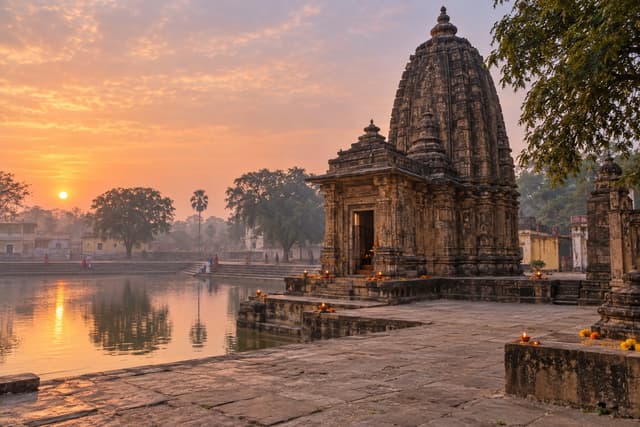
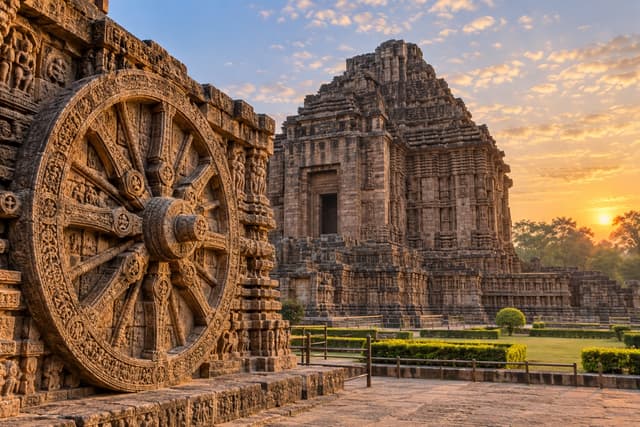
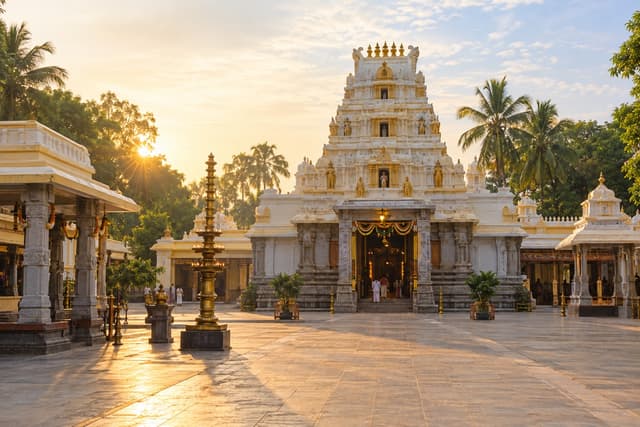
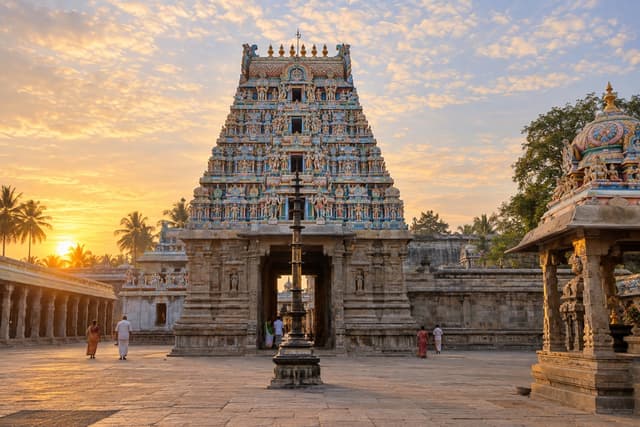
7 bilingual guides follow Surya worship from Kashmir's high plateau to Odisha's coast and Andhra's living Suryanarayana tradition. Together they show how light becomes image, calendar, architecture and daily worship.
☀Overview
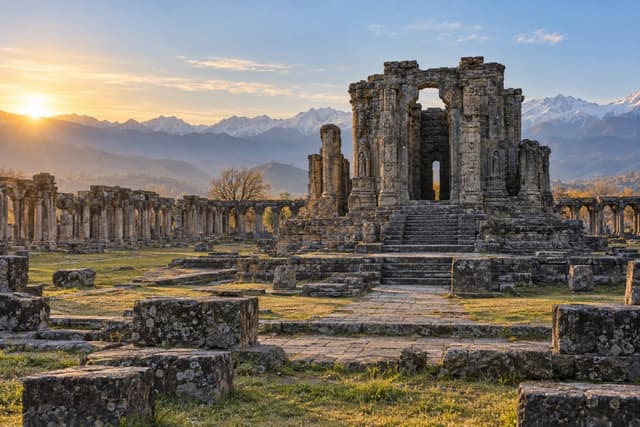
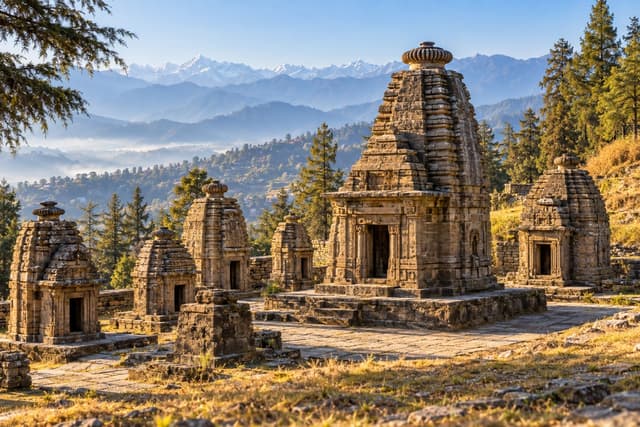
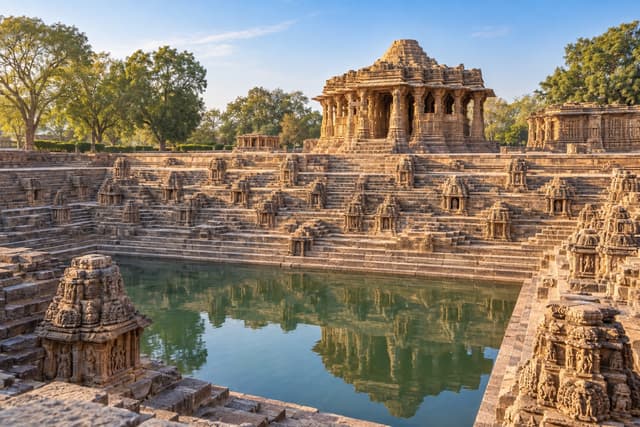
These places are not one uniform temple tradition. Konark, Modhera and Martand are monumental historic sites where architecture carries much of the experience; Arasavalli and Deo remain active centres of worship; Katarmal joins sacred memory to a Himalayan setting. Reading them together reveals how Surya worship travelled across dynasties, languages and regional ritual worlds.
Sacred significance
Surya is a visible deity: dawn can be witnessed, days can be counted and seasons can be felt. Temple builders translated that visibility into chariots, wheels, lotuses, twelve Adityas, open horizons and carefully ordered space. At living shrines, the same symbolism continues through arghya, mantra, Sunday worship, Ratha Saptami and Chhath—practices that bind cosmic time to household discipline and gratitude.
Visit thoughtfully
An archaeological monument and a busy worship hall ask different things of a visitor. At protected sites, keep to marked routes and never touch or climb carved stone. At active temples, follow dress, queue, photography and offering rules. Carry water and sun protection, use safe footwear on steps, respect ongoing ritual, leave no plastic, and confirm current access through the official source in each guide. Never stare directly at the sun.
Pilgrimage map
Explore the six temples
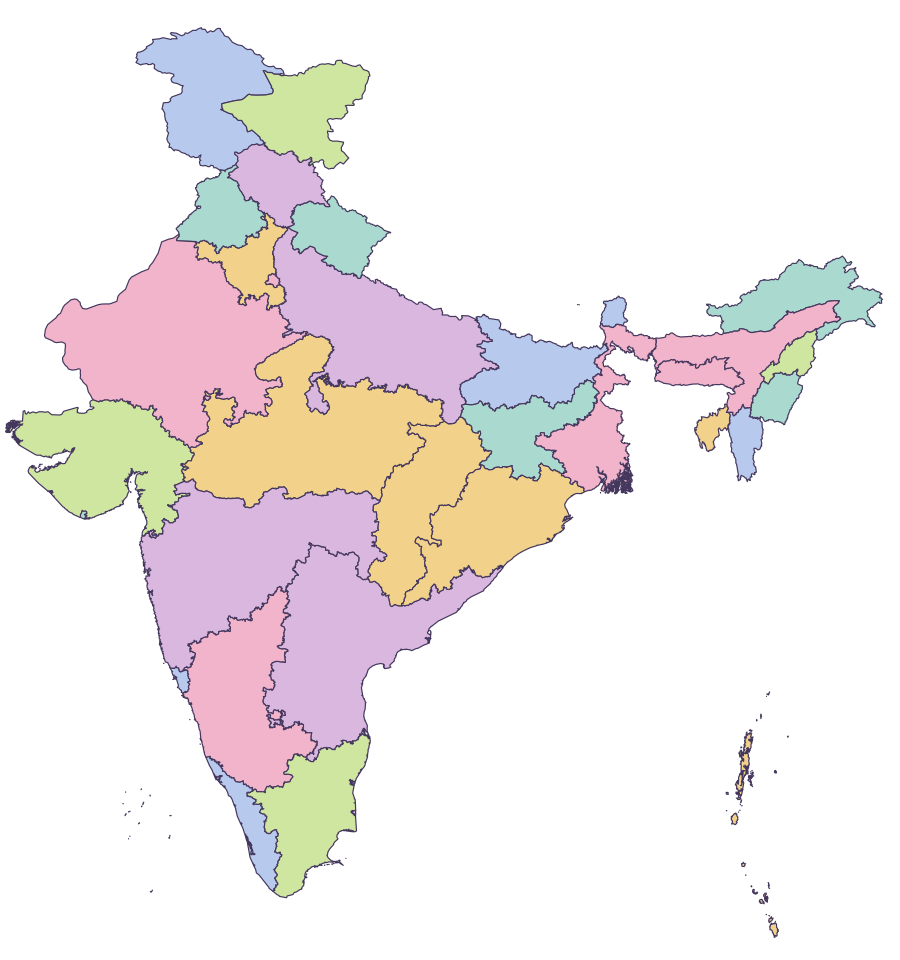
Across landscape and timeThe map joins Himalayan ruins, western stepwell architecture, eastern Chhath devotion and a living southern shrine. Open a place for its history, sacred significance and practical guidance.
Pin positions are indicative rather than navigation coordinates. Confirm routes and current access through the official source attached to each guide.