One journey, four traditions
Badrinath is associated with Vishnu, Dwarka with Krishna, Puri with Jagannath and Rameswaram with Shiva. The circuit therefore represents a broad Hindu pilgrimage tradition rather than only Shiva temples.
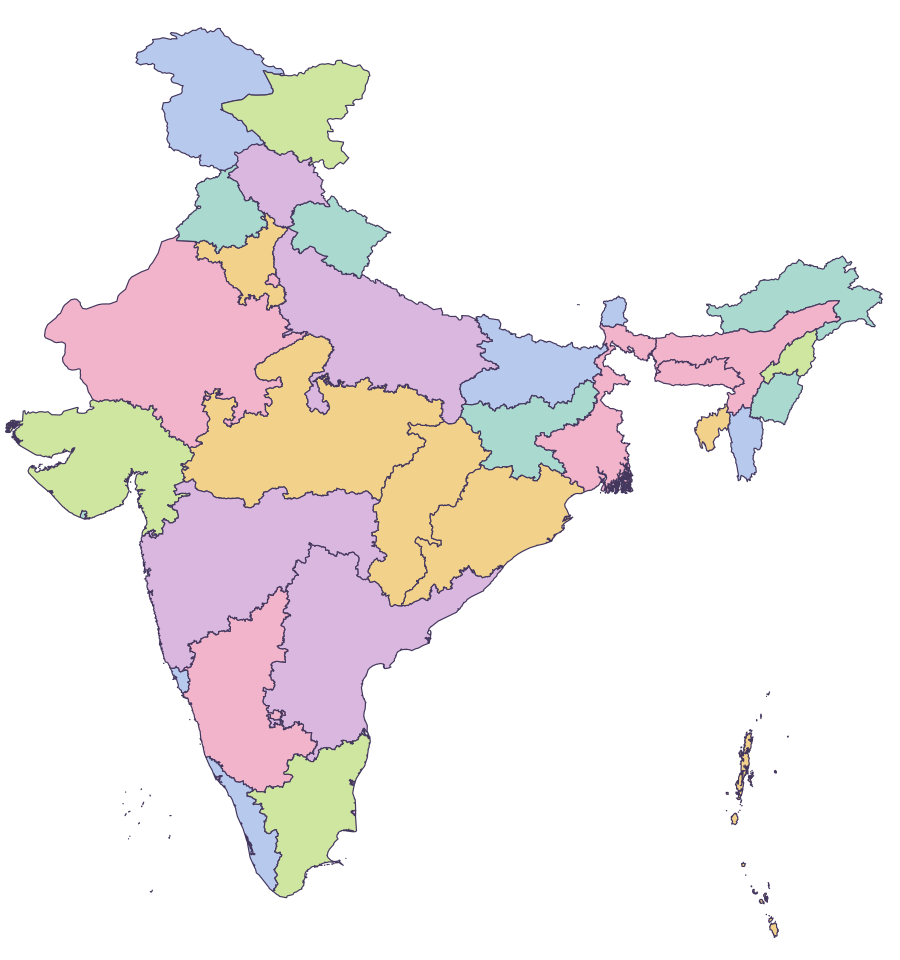
The pan-India Char Dham pilgrimage links Badrinath in the north, Dwarka in the west, Jagannath Puri in the east and Rameswaram in the south—four living traditions set in dramatically different landscapes.
Select a number on the map to open its guide. The same numbers identify each place below.
Markers show approximate locations. Nearby markers are separated for legibility. Confirm current access with each place’s official source.
Each has its own sacred identity, setting and living tradition.
Badrinath is associated with Vishnu, Dwarka with Krishna, Puri with Jagannath and Rameswaram with Shiva. The circuit therefore represents a broad Hindu pilgrimage tradition rather than only Shiva temples.
The traditional circuit symbolically spans India from the Himalaya to the southern sea and from the Arabian Sea to the Bay of Bengal.
Select a map marker or illustrated card for bilingual history, sacred identity, architecture, local context, etiquette and planning notes.
Char Dham here means the pan-India four-shrine circuit. It is distinct from Uttarakhand's Chota Char Dham: Yamunotri, Gangotri, Kedarnath and Badrinath.