Kali pilgrimage · काली तीर्थ

Sacred places of Kali and related Shakta traditions

7 bilingual guides connect Kali and Bhadrakali temples with related Tara, Kamakhya and Bhagavathy traditions while preserving each shrine's own sacred identity.

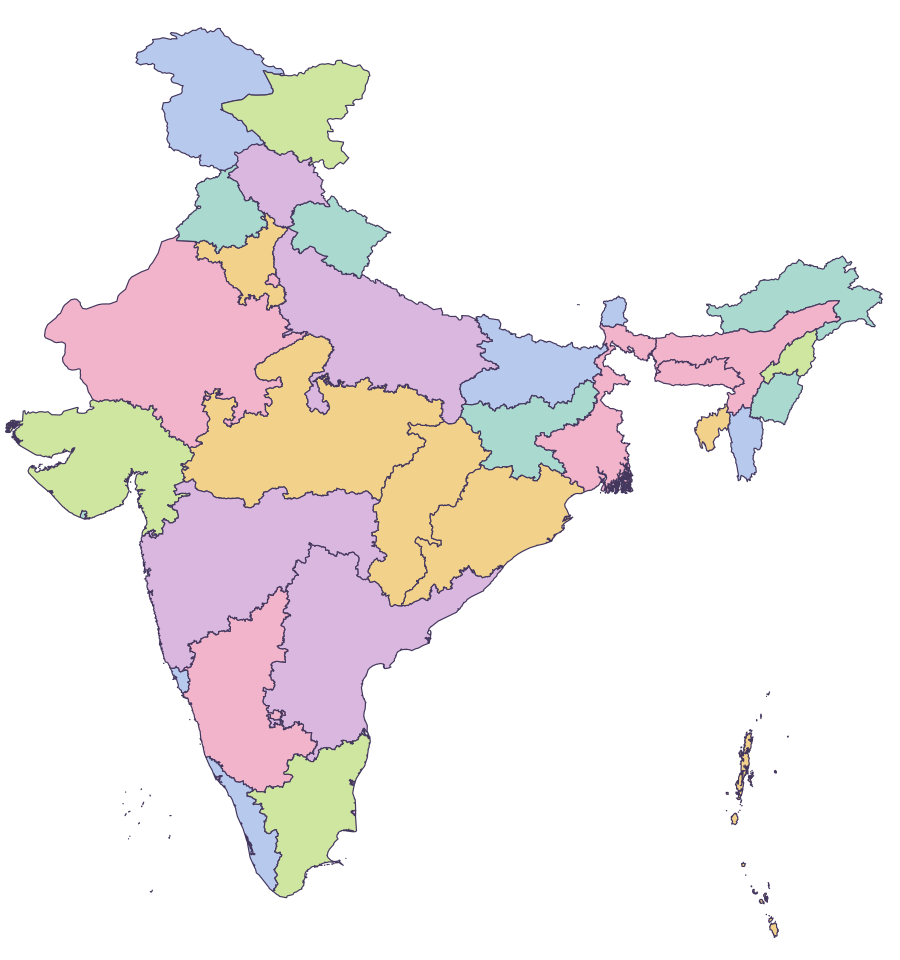
Pilgrimage map

Kali and Shakta places

Select a number on the map to open its guide. The same numbers identify each place below.

Markers show approximate locations. Nearby markers are separated for legibility. Confirm current access with each place’s official source.

What are these places?

Each has its own sacred identity, setting and living tradition.

1Kalighat KaliKolkata, West BengalKalighat is a living Kolkata shrine of Kalika and an important Shakti pilgrimage place. West Bengal Tourism connects its name and setting with an older channel of the Adi Ganga.2Dakshineswar BhavatariniKolkata, West BengalDakshineswar stands on the eastern bank of the Hooghly near Kolkata. Rani Rashmoni founded the temple in 1855, and the presiding Goddess is worshipped as Bhavatarini Kali.3Tarapith TaraBirbhum, West BengalTarapith near Rampurhat is dedicated to Maa Tara. Tara and Kali are distinct Mahavidyas with related imagery and overlapping Shakta communities; this guide does not collapse one into the other.4Kalika MataPavagadh, GujaratKalika Mata Temple crowns Pavagadh hill at about 800 metres. Gujarat Tourism places the shrine within the historic Champaner-Pavagadh landscape and dates major temple fabric to the tenth–eleventh centuries.5KamakhyaGuwahati, AssamKamakhya Temple stands on Nilachal Hill in Guwahati, Assam. It is a major Shakta pilgrimage centre whose presiding Goddess, ritual identity and hill setting should be understood together.6Sree Kurumba BhagavathyKodungallur, KeralaKerala Tourism describes the presiding deity at Kodungallur as a six-foot wooden image of Kali, worshipped within the region's Sree Kurumba Bhagavathy and Bhadrakali traditions.7Warangal BhadrakaliWarangal, TelanganaBhadrakali Temple stands by Bhadrakali Lake in Warangal. Telangana Tourism and the district account connect the site with a seventh-century Chalukya foundation and later Kakatiya patronage.

Related, yet distinct

Kali, Tara, Kamakhya, Bhadrakali and regional Bhagavathy forms meet within broad Shakta traditions, but their names, histories and theologies are not interchangeable.

Visit with current information

Temple hours, festival controls and local access change. Follow the official source in each guide and use public visitor practices unless a trusted tradition guides you.